Treating skin,
not just faces.
For skin that needs correcting rather than refreshing — the texture acne leaves behind, the persistent redness of rosacea. A medical, condition-led approach, with an eye on the whole patient.
A clinic’s caution,
not a counter’s claims.
Some skin concerns are conditions, not cosmetics — and they deserve a clinical eye. We treat the visible marks of acne and the redness of rosacea with the same medical-grade technology our surgeons trust, delivered by Medical Aestheticians. Just as important is knowing our limits: active acne and skin conditions that need a physician’s diagnosis are referred, not improvised, and we’re candid about what these treatments manage versus cure.
Correct, calm,
restore.
For the marks acne leaves behind — we soften the depth and texture of scarring with regenerative microneedling and laser resurfacing, over a series of sessions.
Microneedling with your own PRP plus laser resurfacing remodels scarred tissue and prompts fresh collagen.
Mild redness that settles in a day or two; smoother texture builds in stages over the weeks after.
Rolling and shallow acne scarring and uneven post-acne texture.
We treat the marks, not the acne itself — active breakouts are best managed medically first.
Targeted light and laser energy calm the persistent facial redness and visible vessels of rosacea, evening the complexion gradually.
Light is absorbed by the dilated vessels behind the redness, settling them so the skin reads calmer.
Little to no downtime; redness eases over a series, with maintenance to keep it settled.
Facial redness, flushing, and visible vessels.
Rosacea is managed, not cured — and because it so often involves the eyes, we look beyond the skin (below).
Some signs need a
doctor, not an aesthetician.
We treat the marks acne leaves and the redness of rosacea — but some skin changes need medical diagnosis, which a cosmetic laser can’t provide. If any of these sound familiar, please see a physician or dermatologist first. We’ll gladly point you to the right care — getting the diagnosis right always comes before treating the surface.
Anything growing, changing colour or shape, with an uneven border, or that simply looks different from your other marks. New or evolving pigmented spots need a doctor to rule out skin cancer — we don’t diagnose or treat pigmented lesions.
A spot that bleeds, crusts and returns, or hasn’t healed within a few weeks, deserves prompt medical assessment rather than cosmetic treatment.
Deep, painful, or actively scarring breakouts are best brought under control by a physician first. Treating active acne medically protects your skin — and your eventual scar-treatment results.
Beyond the gritty, dry irritation we routinely cross-refer for, any actual eye pain or change in vision needs prompt assessment by an eye doctor — which we can arrange directly through the U Dry Eye Institute.
Not every redness is rosacea. A rash that appears suddenly, spreads, is painful, or simply doesn’t fit the usual pattern should be assessed medically before any cosmetic treatment.
Rosacea rarely stops at the skin.
Facial rosacea very often comes with ocular rosacea — irritated, dry, gritty eyes from inflamed eyelid glands (meibomian gland dysfunction). It’s easy to miss, because the eyes are treated as separate from the skin. They aren’t. When we see rosacea, we look at the eyes too, and our colleagues at the U Dry Eye Institute assess and treat the ocular side — often with the very same light therapy. One family of clinics, the whole condition.
Good to know.
Read before you book.
No pressure to decide today — these explain the science, the limits, and what to actually expect.
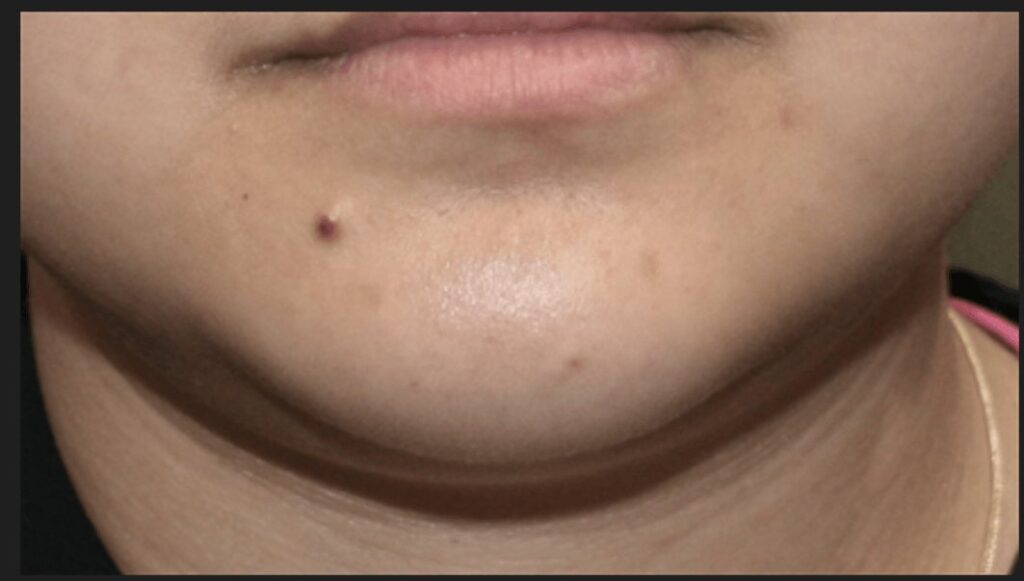
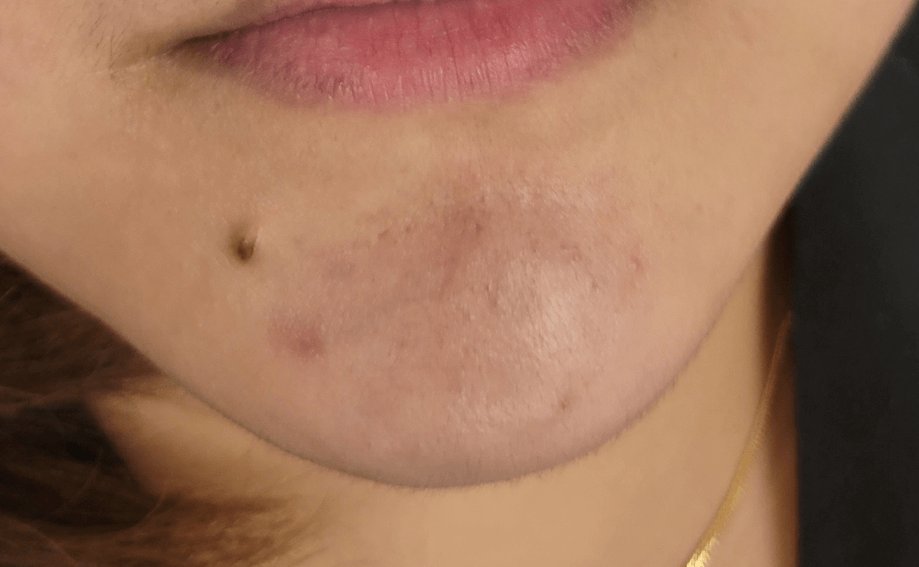
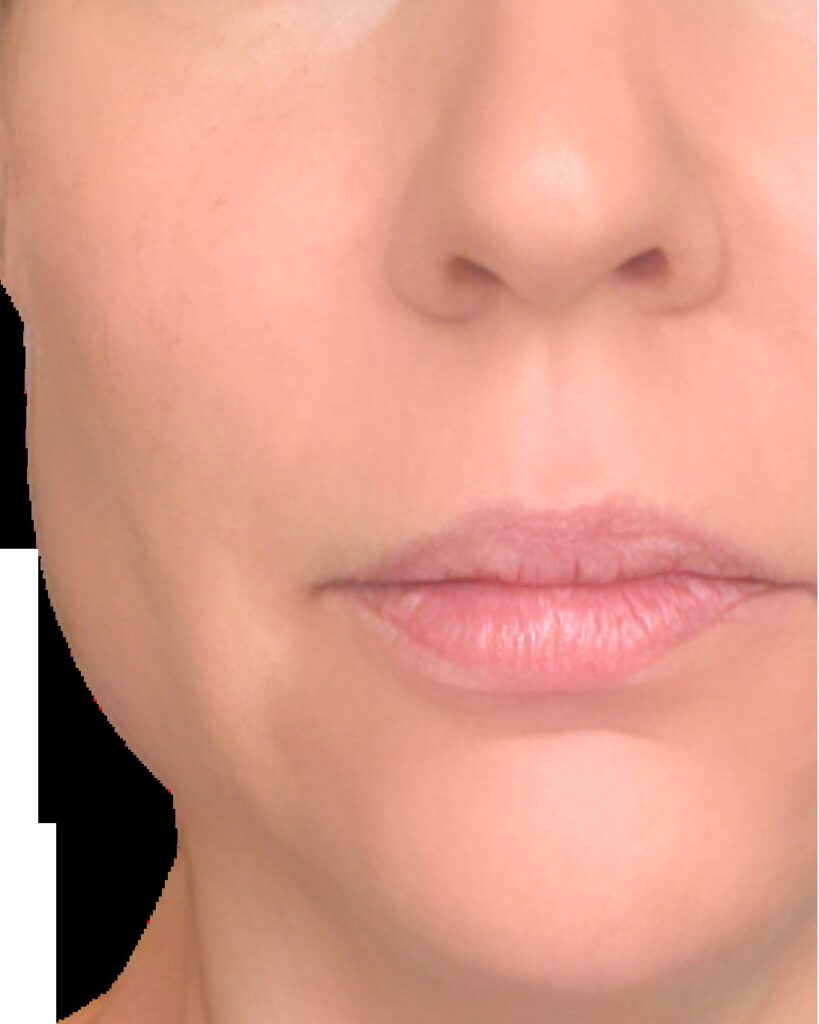
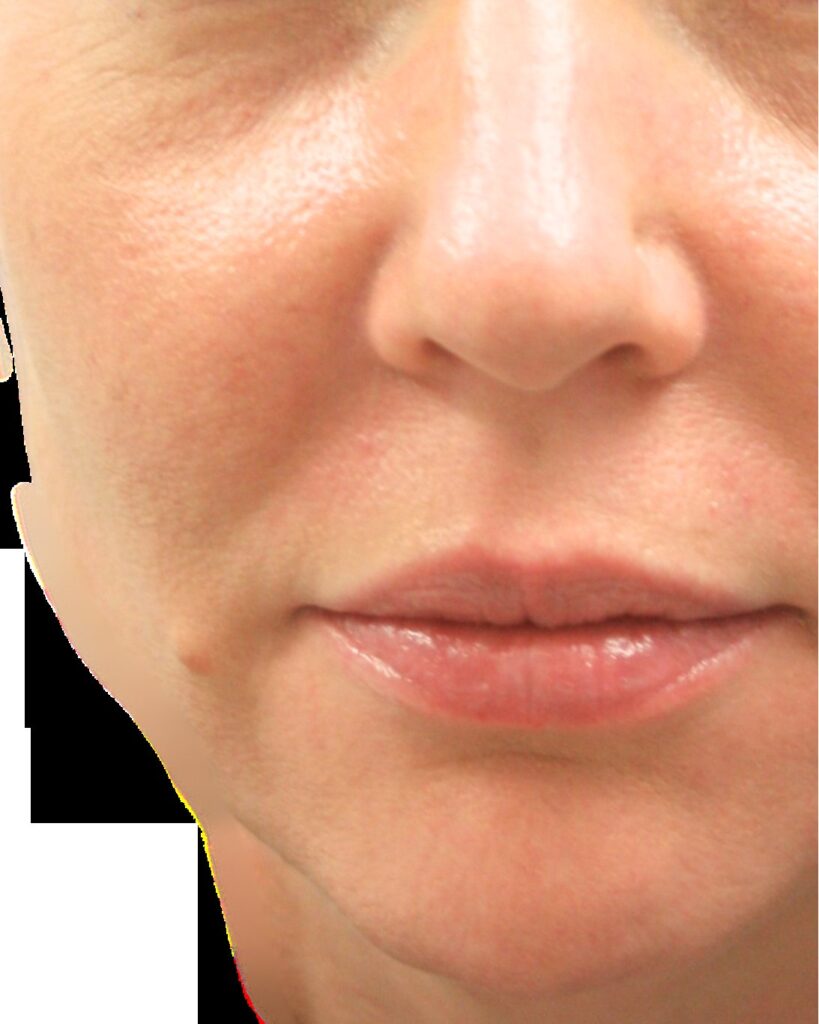
Photographs are unretouched and shown with written patient consent. Individual results vary.
Skin that’s
understood.
Tell us what’s troubling your skin, and we’ll give you a clinical, honest read — what we can treat, what needs a physician, and how the whole picture fits together. No pressure, no upselling.