
Eyelid surgery for a more rested, open eye.
Eyelid surgery to refresh a tired-looking eye area — or to clear vision blocked by heavy upper lids — performed by oculoplastic surgeons who specialize in the delicate anatomy around the eye.
The eye area is all
we do.
Oculoplastic surgery is plastic and reconstructive surgery of the eyelids and the structures around the eye, performed by ophthalmologists with dedicated training in this region. Because the eyelids protect and frame the eye itself, even a small adjustment demands a surgeon who understands how the lid, the tear film, and vision work together — not just how it looks. That’s the difference between an aesthetic result and a safe, lasting one.
Refined, restored,
re-opened.
Removes or repositions excess skin (and sometimes fat) on the upper lids that creates a hooded, heavy, or tired look — and which, when severe, can crowd your field of vision. The result is a more open, alert eye.
Addresses under-eye bags, puffiness, and loose lower-lid skin that can make you look tired regardless of how you feel. Approaches are chosen to minimize visible scarring and protect lid position.
Corrects a drooping upper eyelid (ptosis), where the lid sits low and can shadow the eye or obstruct vision. Surgery lifts the lid to a natural, symmetric position — restoring both look and function.
Is eyelid surgery covered
by OHIP?
It depends on why you need it. The distinction is medical, not a matter of opinion — and we’ll assess it honestly.
When excess lid blocks your vision
If heavy upper-eyelid skin measurably obstructs your peripheral vision — confirmed with a visual field test — the functional component of surgery may be covered by OHIP. We document the findings and handle the assessment as part of your consultation.
When the goal is rejuvenation
If there’s no vision obstruction and the aim is to refresh the appearance of the eye area, the procedure is elective and not covered by OHIP. Some extended health plans offer partial reimbursement; we provide itemized receipts for any claim.
Many patients have both a functional and a cosmetic component — we’ll explain exactly what applies to you, with no surprises.
Are you a candidate?
A thorough assessment — including a look at your tear film and eyelid position — is the only way to know for certain.
Healthy eyes heal better — and stay comfortable.
Eyelid surgery can temporarily affect how well your eyes stay lubricated, so every candidate’s ocular surface is evaluated before we proceed — with support from the U Dry Eye Institute when needed. Addressing dry eye up front protects your comfort and your result.
Back to yourself,
step by step.
Eyelid surgery is well tolerated, with most of the visible recovery happening in the first couple of weeks. Here’s the typical arc.
Mild tightness or discomfort, eased with cold compresses and simple pain relief. Keep your head elevated and take it easy.
Bruising and swelling peak in the first few days, then ease. Any skin sutures are typically removed around 5–7 days.
Most visible bruising and swelling have resolved — many people feel comfortable returning to social and work life, then to fuller activity.
Residual swelling continues to settle and fine scars soften and fade, with your final, natural result emerging over the following weeks.
Exact timelines vary with the procedure and the person — your surgeon will give you a plan specific to you.
A clear-eyed look
at the risks.
Eyelid surgery is safe and routinely performed — and, like any surgery, carries risks we’ll discuss openly before you decide.
Book a Free ConsultationPerformed in an accredited surgical facility.
Your procedure takes place at U Surgical Centre, our accredited, purpose-built surgical facility — with your UELC oculoplastic surgeon and team beside you, and your follow-up care coordinated across the U Vision Group.
Good to know.
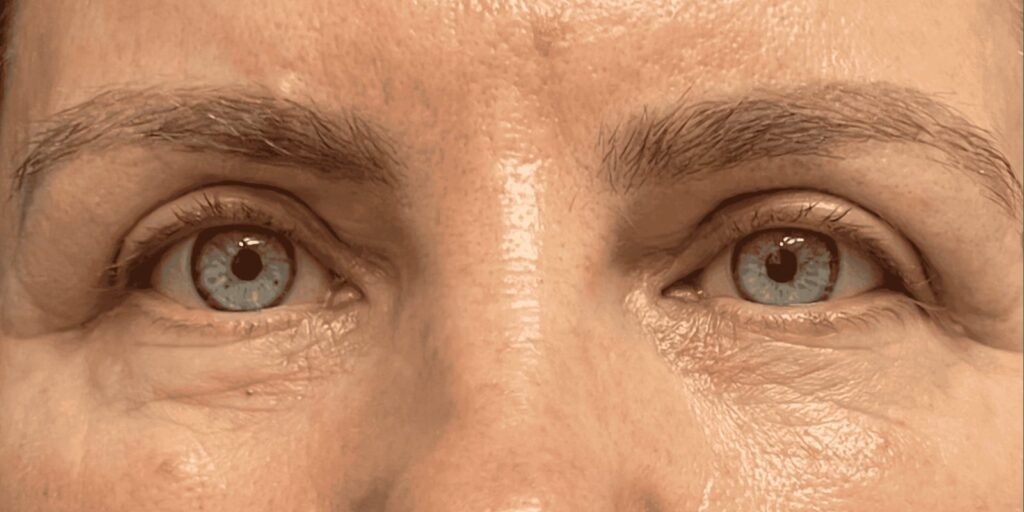
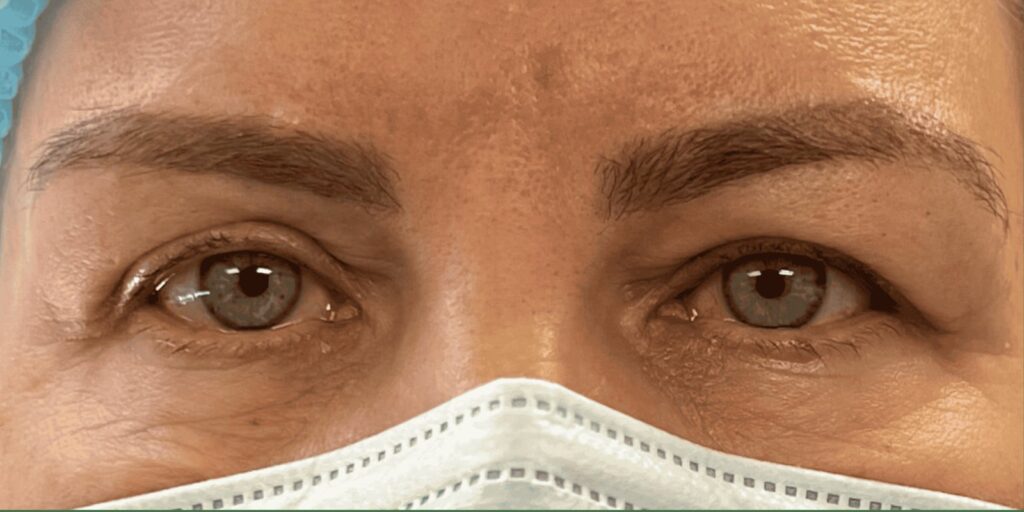
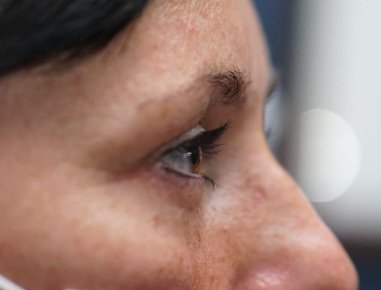
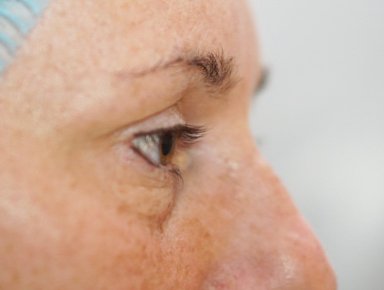
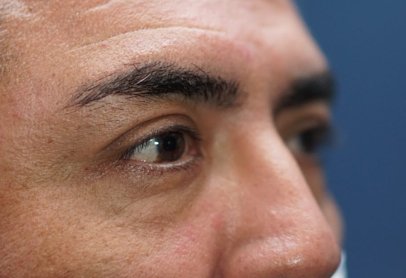
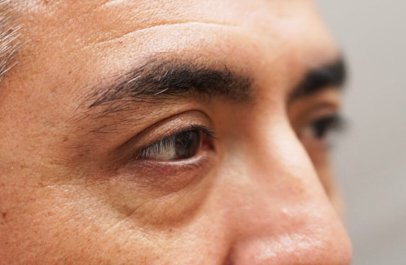
Photographs are unretouched and shown with written patient consent. Individual results vary.
Need more than cosmetic eyelid surgery?
Some eyelid concerns are medical rather than aesthetic — a turned-in or turned-out lid (entropion / ectropion), tear-duct (lacrimal) blockage, eyelid lesions, or conditions affecting the orbit around the eye. These are treated by the oculoplastic team at Uptown Eye Specialists, our sister clinic within U Vision Group, and are often OHIP-covered. We’ll point you to the right place.
Open up
your eyes.
Bring us what bothers you — a tired look, heavy lids, a droop — and we’ll give you an honest, specialist view of your options, surgical or otherwise. No pressure, just a clear plan.
Read before you book.
No pressure to decide today — these explain the science, the limits, and what to actually expect.