Refreshed,
never overdone.
Anti-wrinkle injections, dermal fillers, and a needle-free laser lip option — placed with restraint by clinicians who read facial anatomy for a living, to soften a line or restore a little volume while still looking unmistakably like you.
The right injectable
is the one no one notices.
Injectables have a reputation for going too far — but that’s a matter of judgement, not the treatment. Used well, a few precise placements relax a tired frown or restore a touch of lost volume, and people simply think you look rested. Our Medical Aestheticians are trained to that lighter touch — and around the eyes, their work is backed by ophthalmologists with oculoplastic fellowship training, surgeons who reconstruct this exact anatomy. For the most delicate, least forgiving part of the face, that’s the standard we hold every treatment to.
For lines, volume,
and a little more.
Tiny amounts of a muscle-relaxing protein soften the lines that form with expression — without freezing your face.
Relaxes the specific muscles that crease the skin — forehead, frown lines, crow’s feet.
Eases in over about a week; no downtime; smooths while you keep your expressions.
Dynamic expression lines across the upper face and around the eyes.
Around the eyes, your treatment is backed by oculoplastic-trained surgeons who know this anatomy intimately.
A smooth gel restores volume lost to time — softening folds, refreshing cheeks, and refining lip and jaw contours.
Placed precisely where volume has been lost, supporting and re-contouring from beneath the skin.
Visible right away, with possible brief swelling or bruising; lasts months to about a year.
Volume loss, deeper static folds, and lip or cheek definition.
We start conservative and review — you can always add a little, but you can’t un-overdo it.
A needle-free, filler-free laser treatment that gently encourages the lips’ own fullness and definition.
Laser warmth stimulates the lips’ own tissue and collagen — nothing is injected.
Subtle and gradual; builds over a short series, working with your natural shape.
Thinning or undefined lips wanting a natural lift, without filler.
Subtler than filler — if you want immediate, pronounced volume, filler is the better route, and we offer both.
We’ll talk you out of too much.
Plenty of places will give you exactly what you ask for. We’d rather give you what suits you — which sometimes means less than you came in for, or a different approach entirely. Our goal is a result that looks like a good night’s sleep, not a procedure.
Anatomy first.
Always natural.
A syringe is easy to buy. Knowing exactly where — and how little — to place it is the part that takes real training.
Book a Free ConsultationThe “medical” is the difference — advanced clinical training well beyond a standard aesthetics certification, in a setting held to medical standards.
Around the eyes, treatments are guided by ophthalmologists with oculoplastic fellowship training — surgeons who reconstruct this exact anatomy. For the least forgiving part of the face, it’s an added margin of expertise and safety.
We start subtle, review, and add only if needed — because you can always do a little more, but you can’t un-overdo it.
Good to know.
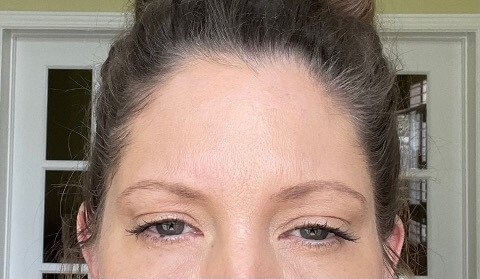
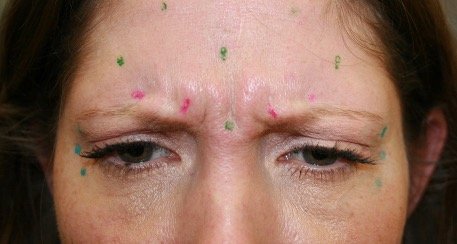
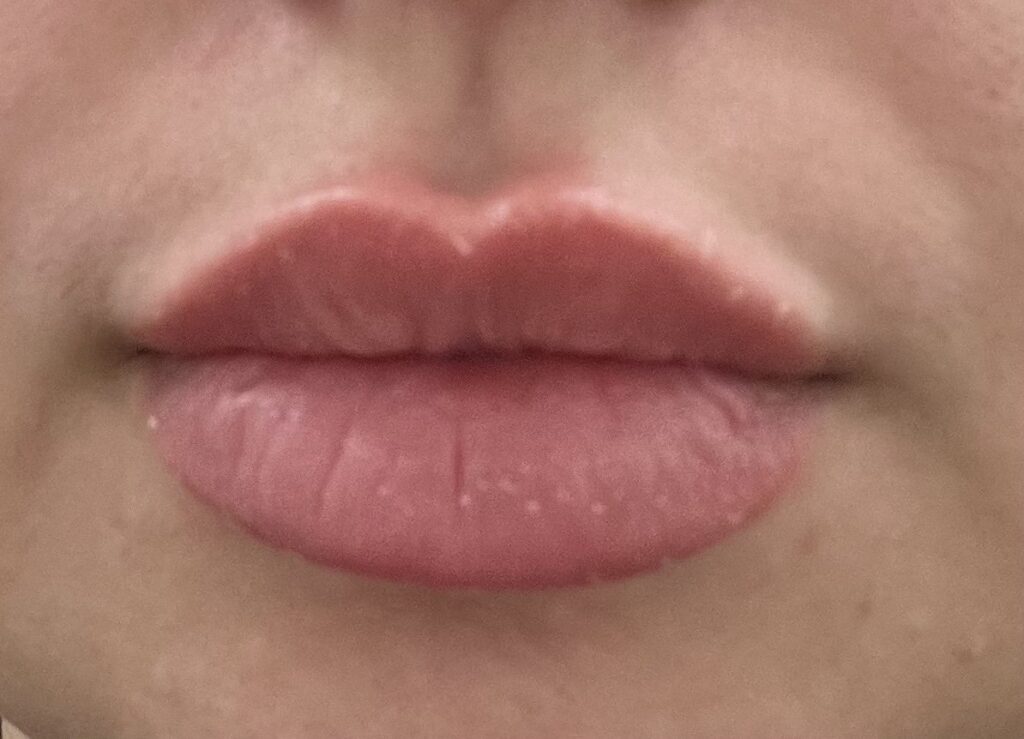
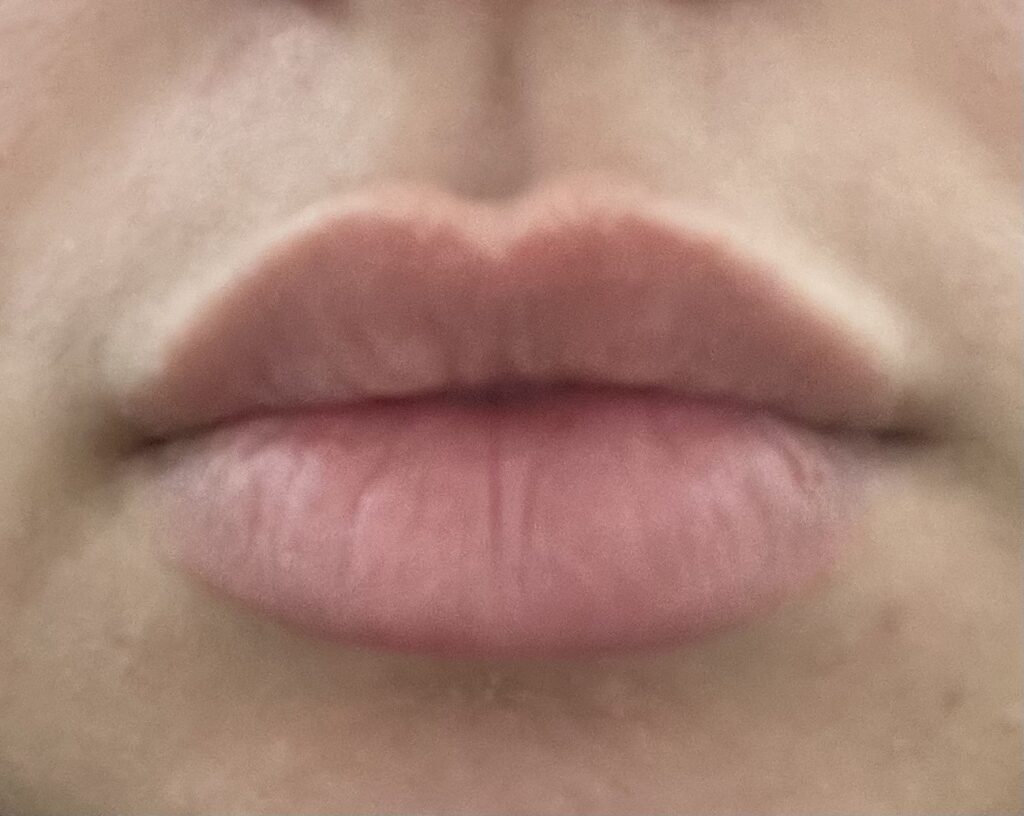
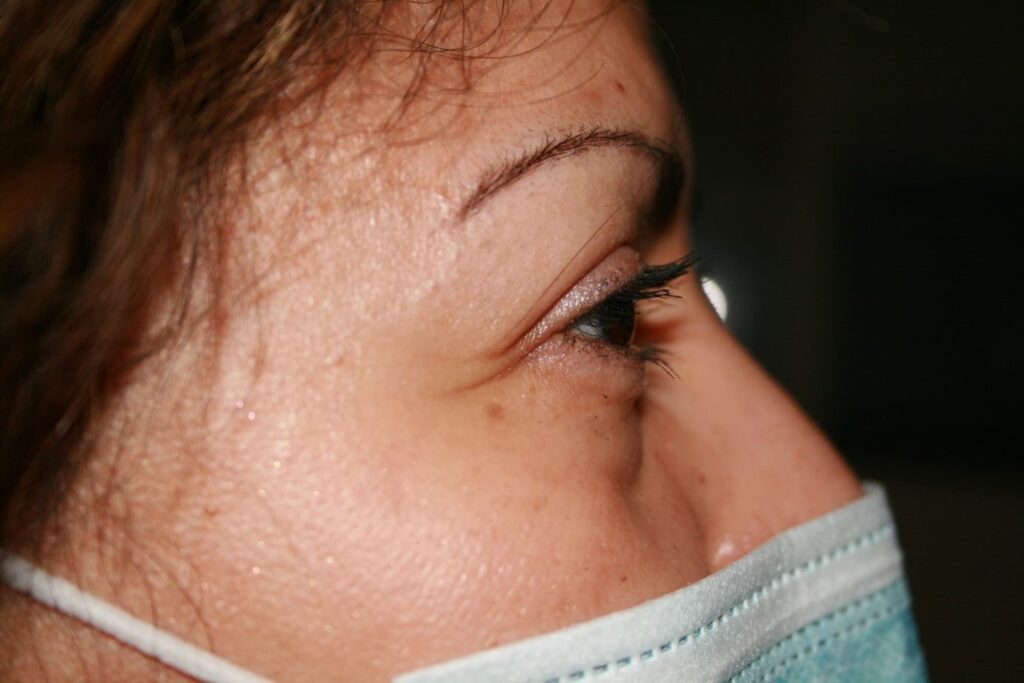
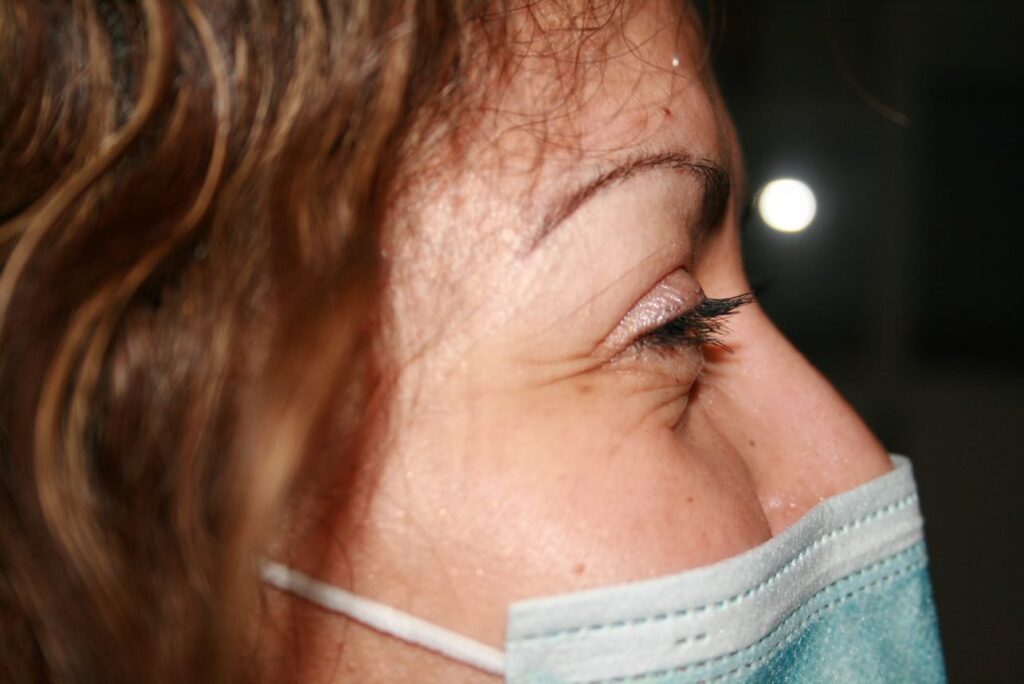
Photographs are unretouched and shown with written patient consent. Individual results vary.
A subtle
difference.
Come tell us what catches your eye in the mirror, and we’ll give you an honest read on whether a little — or nothing at all — is the right answer. No pressure, no upselling.
Read before you book.
No pressure to decide today — these explain the science, the limits, and what to actually expect.